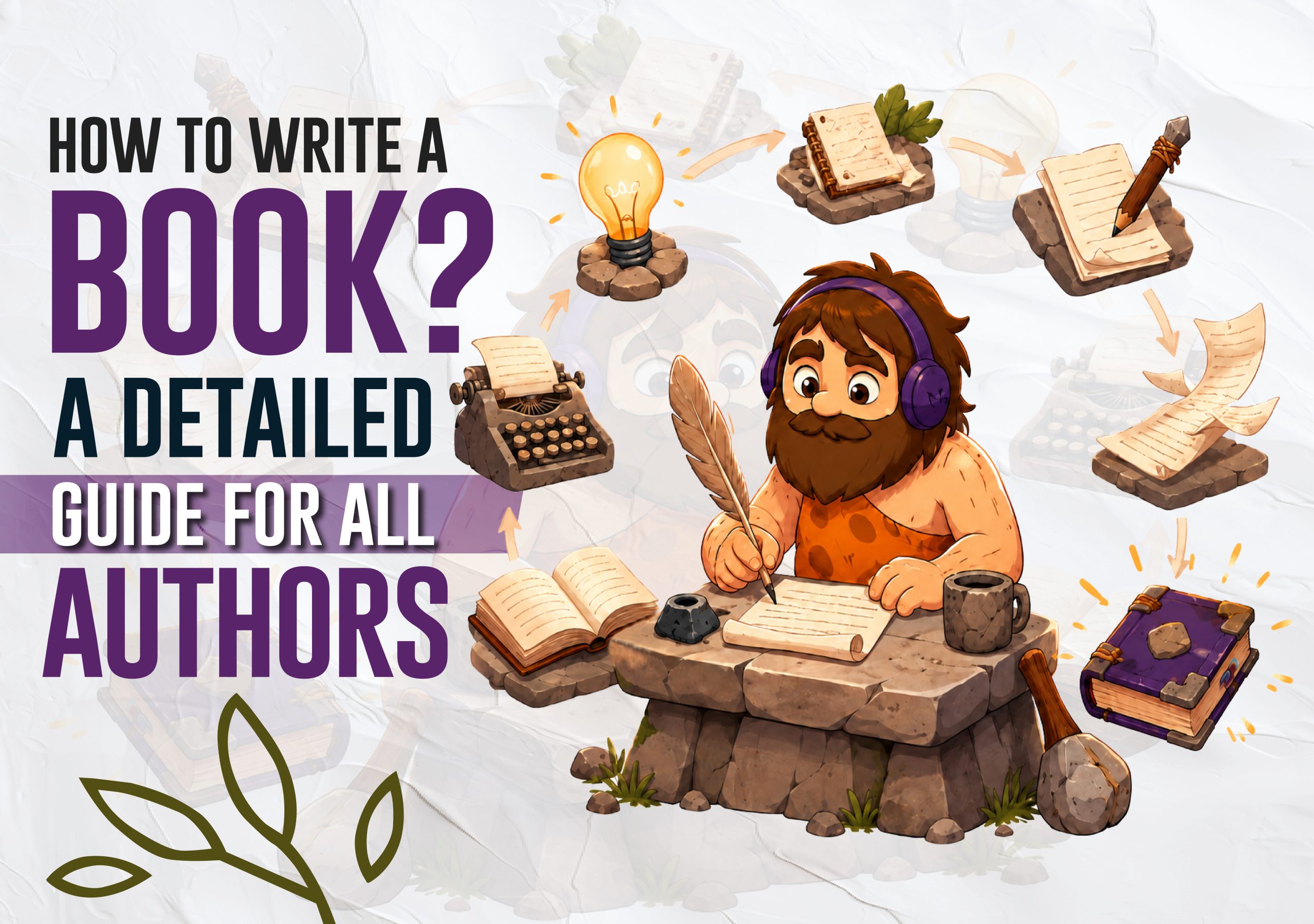
Writing a book is one of the most rewarding creative projects a person can undertake. Whether you’re planning to write a novel, memoir, business book, self-help guide, or nonfiction work, the process can feel overwhelming when you’re starting from scratch.
Many aspiring authors have great ideas but struggle with questions such as:
- Where do I begin?
- How do I organize my ideas?
- How long should my book be?
- What if I lose motivation halfway through?
- How do successful authors finish their manuscripts?
The truth is that writing a book is not about inspiration alone. Successful authors follow a structured process that transforms an idea into a completed manuscript.
This guide walks you through every stage of writing a book, from developing your concept to completing your first draft.
Quick Answer
To write a book, start by identifying your core idea, defining your target audience, creating an outline, establishing a writing routine, completing a first draft, and revising your manuscript through multiple editing stages.
Most successful books are written through consistent progress rather than bursts of inspiration.
Why Do You Want to Write a Book?
Before writing your first chapter, clarify your purpose.
Your reason for writing will influence:
- your book’s structure
- target audience
- writing style
- publishing strategy
- marketing approach
Common reasons people write books include:
Sharing Expertise
Business professionals, consultants, coaches, and entrepreneurs often write books to establish authority and educate readers.
Telling a Story
Fiction writers create novels, short story collections, and series to entertain and inspire readers.
Preserving Personal Experiences
Memoirs allow authors to document meaningful life experiences and lessons learned.
Building a Personal Brand
Many authors use books to expand their visibility, credibility, and professional opportunities.
Understanding your goal creates clarity throughout the writing process.
Step 1: Choose the Right Book Idea
Every successful book begins with a clear concept.
Many first-time authors make the mistake of starting with a broad topic instead of a focused idea.
For example:
Too Broad
- Personal development
- Business
- Health
- Fantasy
More Focused
- Productivity strategies for remote entrepreneurs
- Building a consulting business from scratch
- Managing stress during career transitions
- A fantasy novel about political conflict between rival kingdoms
Specific ideas are easier to organize, write, market, and publish.
Step 2: Identify Your Target Audience
A book written for everyone is rarely written effectively for anyone.
Ask yourself:
- Who will read this book?
- What problem does it solve?
- What emotions will it create?
- What knowledge level does the reader have?
Understanding your audience helps determine:
- tone
- vocabulary
- structure
- examples
- chapter organization
Successful authors focus on reader needs rather than personal preferences alone.
Step 3: Research Your Market
Research is essential before investing months into writing.
Study books within your category and examine:
- bestselling titles
- reader reviews
- common themes
- content gaps
- audience expectations
For fiction authors, research helps identify genre conventions.
For nonfiction authors, research helps uncover opportunities to provide unique value.
Market research should inform your strategy without encouraging imitation.
Step 4: Create a Book Outline
An outline serves as the blueprint for your manuscript.
While some authors prefer writing organically, most first-time authors benefit significantly from outlining.
Why Outlining Matters
Outlining helps:
- maintain focus
- prevent writer’s block
- organize ideas logically
- identify missing sections
- reduce rewriting later
Example Nonfiction Outline
Introduction
The problem
Chapter 1
Foundational concepts
Chapter 2
Common mistakes
Chapter 3
Practical strategies
Chapter 4
Implementation framework
Conclusion
Next steps
Example Fiction Outline
Act One
Setup and introduction
Act Two
Conflict and rising stakes
Act Three
Resolution and conclusion
A strong outline creates momentum before the drafting process begins.
Step 5: Establish a Writing Schedule
One of the biggest myths about writing is that authors wait for inspiration.
Professional writers rely on consistency instead.
Set Realistic Goals
Examples include:
- 500 words per day
- 1,000 words per day
- One chapter per week
- Five writing sessions per week
Small, consistent efforts produce substantial results over time.
A 500-word daily habit can generate a 60,000-word manuscript in approximately four months.
Step 6: Focus on Completing the First Draft
The first draft exists for one purpose:
To get the book written.
Many new authors become trapped trying to perfect every sentence while drafting.
This often leads to unfinished manuscripts.
Instead:
- write imperfectly
- keep moving forward
- avoid excessive editing
- focus on completing the manuscript
Remember:
You cannot edit a blank page.
Step 7: Learn the Fundamentals of Good Writing
While every book is unique, certain principles apply across genres.
Clarity
Readers should easily understand your ideas.
Avoid unnecessary complexity.
Structure
Organize chapters logically and maintain a clear progression.
Engagement
Every chapter should give readers a reason to continue.
Consistency
Maintain a consistent tone, voice, and style throughout the manuscript.
Strong writing is often the result of clear communication rather than elaborate language.
Step 8: Develop Memorable Characters (Fiction)
For fiction writers, characters often determine whether readers continue reading.
Strong characters typically have:
- goals
- flaws
- motivations
- fears
- growth arcs
Readers connect emotionally with believable characters facing meaningful challenges.
For a deeper exploration, see our guide on character development.
Step 9: Write Authentic Dialogue
Dialogue serves multiple purposes:
- reveals personality
- advances the story
- creates tension
- develops relationships
Common dialogue mistakes include:
- excessive exposition
- unrealistic speech patterns
- repetitive conversations
Strong dialogue sounds natural without replicating everyday speech word for word.
Learn more in our article on how to write better dialogue.
Step 10: Build Conflict and Momentum
Conflict drives reader engagement.
Without conflict, stories lose momentum.
Conflict may be:
Internal
A character struggles with personal fears or beliefs.
External
A character faces obstacles, opponents, or difficult circumstances.
Relational
Conflict emerges between individuals or groups.
Even nonfiction books benefit from tension by presenting challenges and solutions.
Step 11: Finish Your Manuscript
Many authors begin books.
Far fewer complete them.
The final chapters often require discipline rather than motivation.
Strategies for finishing include:
- setting deadlines
- reducing distractions
- tracking progress
- maintaining writing routines
Completion is a major milestone that transforms an idea into a manuscript.
Step 12: Take a Break Before Revising
After completing your first draft, step away from the manuscript temporarily.
Distance creates perspective.
Many authors wait:
- several days
- several weeks
- occasionally longer
Returning with fresh eyes makes weaknesses easier to identify.
Step 13: Revise Your Manuscript
Revision is where good books become great books.
Most professional books undergo multiple revisions.
During revision, focus on:
Big-Picture Issues
- structure
- pacing
- chapter flow
- character development
Sentence-Level Improvements
- grammar
- clarity
- consistency
- readability
Revision often requires more time than drafting.
Step 14: Get Feedback
Outside feedback is invaluable.
Authors become too familiar with their work to identify every weakness.
Consider working with:
- beta readers
- critique partners
- writing groups
- professional editors
Constructive feedback helps improve both the manuscript and your skills as a writer.
Step 15: Hire Professional Editing
Editing is one of the most important investments an author can make.
Common editing stages include:
Developmental Editing
Focuses on structure and content.
Line Editing
Improves style and readability.
Copyediting
Corrects grammar and consistency issues.
Proofreading
Provides a final quality review before publication.
Professional editing enhances credibility and reader satisfaction.
Common Mistakes First-Time Authors Make
Understanding common mistakes can save significant time and frustration.
Starting Without a Plan
A lack of structure often leads to abandoned projects.
Editing While Drafting
Perfectionism slows progress.
Ignoring Reader Expectations
Every genre has conventions readers expect.
Inconsistent Writing Habits
Writing occasionally makes completion difficult.
Skipping Revision
First drafts rarely represent finished books.
How Long Does It Take to Write a Book?
The timeline varies significantly.
Factors include:
- book length
- genre
- research requirements
- writing schedule
- experience level
Approximate ranges:
| Book Type | Typical Timeline |
| Short Nonfiction | 3–6 Months |
| Business Book | 6–12 Months |
| Memoir | 6–18 Months |
| Novel | 6–24 Months |
Consistency matters more than speed.
What Happens After Writing the Book?
Once your manuscript is complete and professionally edited, the next stage is publication.
Authors can choose:
- traditional publishing
- self-publishing
- hybrid publishing
Many modern authors choose independent publishing because it offers greater control and flexibility.
Final Thoughts
Writing a book is not reserved for professional authors or literary experts.
Every published book begins the same way: with an idea and a commitment to finish.
The most successful first-time authors focus on progress rather than perfection. They develop a plan, write consistently, revise thoughtfully, and continue improving their craft throughout the process.
Whether you’re writing fiction, nonfiction, a memoir, or a business book, the path remains remarkably similar:
Start with an idea.
Create a plan.
Write consistently.
Finish the manuscript.
Revise thoroughly.
One page at a time, a book begins to take shape.
And every published author was once exactly where you are now: staring at a blank page and wondering where to begin.